



Leo learns about losing a game

Scene 01 - Social Story: Leo Learns About Losing a Game

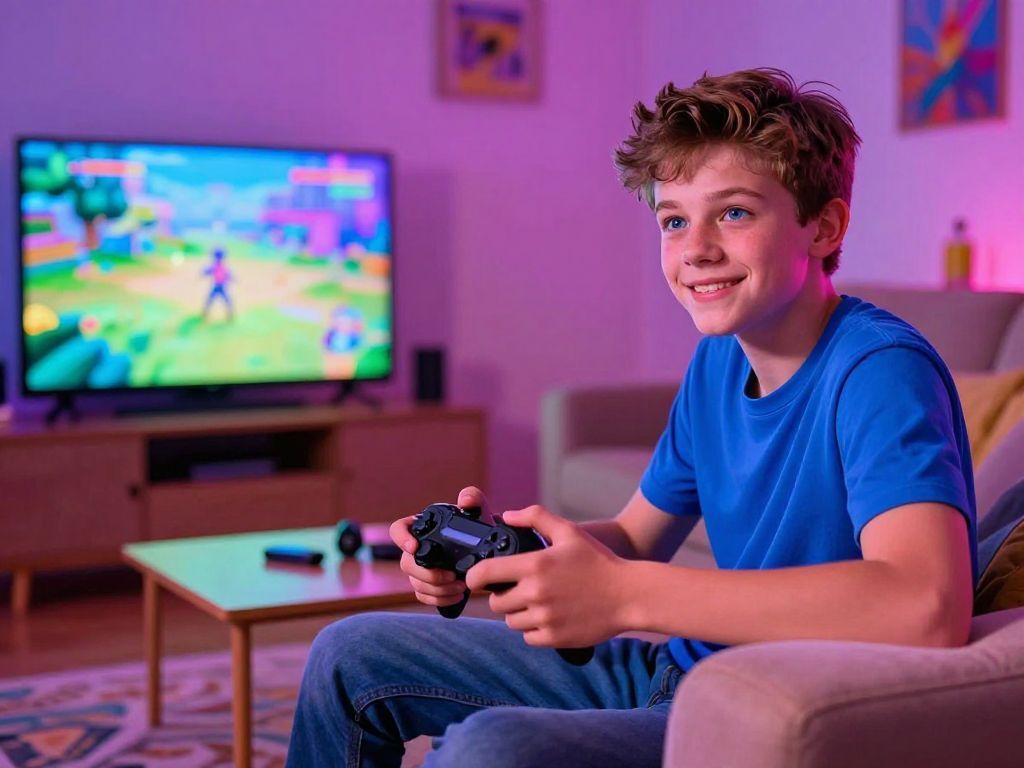
Leo enjoys playing many different types of games. Games can be a lot of fun to play with friends or alone. Sometimes, when playing games, a person wins and sometimes a person loses.

Scene 02 - Social Story: Leo Learns About Losing a Game

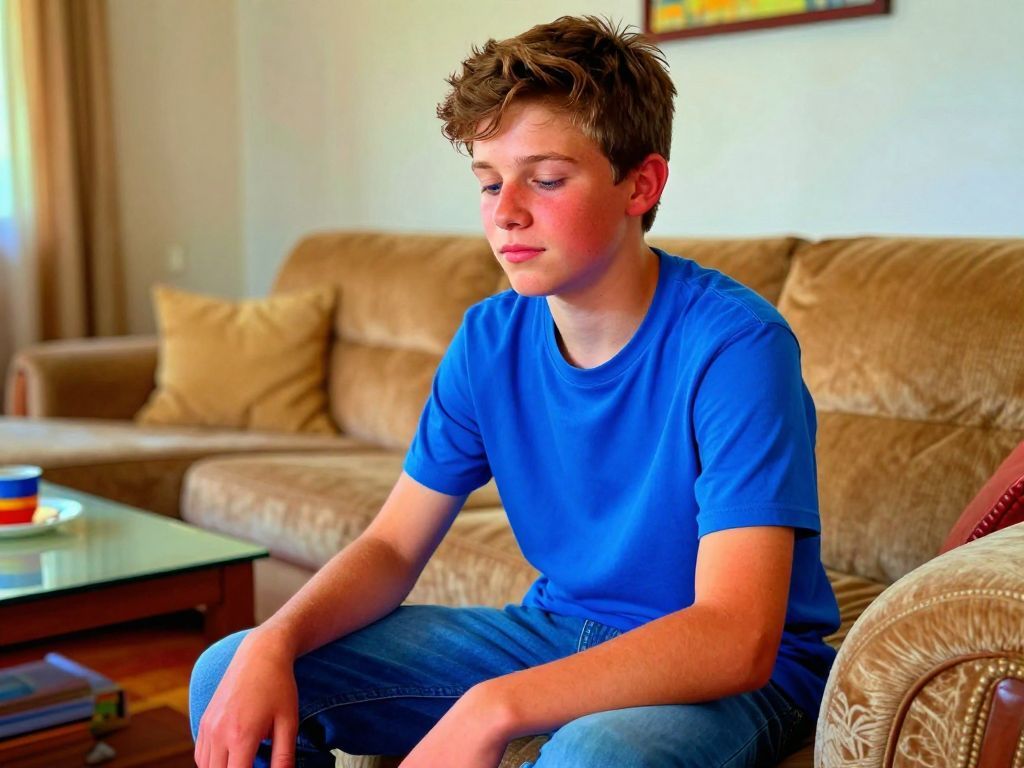
It is a normal part of playing games to sometimes lose. Sometimes, when Leo loses a game, he might feel a strong feeling of frustration inside. When Leo feels very frustrated, he might want to scream or throw objects on the floor.

Scene 03 - Social Story: Leo Learns About Losing a Game

Feeling frustrated when a game does not go as planned is a common feeling. When Leo feels frustrated, he can try to take a few deep breaths. Deep breaths can help his body feel calmer inside and help him think.

Scene 04 - Social Story: Leo Learns About Losing a Game

After taking a deep breath, Leo can remember that it is just a game. He can try to accept the game's outcome and try again later if he wants to. Accepting outcomes helps Leo feel good and continue to have fun playing games.

Leo is learning new ways to manage his feelings.
He can feel proud of himself for trying these strategies.
Learning to stay calm when losing games helps Leo have more fun.

Our Latest Blogs

Reflections, research-based insights, and practical perspectives on social stories, inclusion, and educational tools

EduStories — educational content on autism and neurodiversity
April 15, 2026
What are Social Stories, how do they work for autism, and when should you use them? A complete guide with practical examples, updated research, and advice for parents and teachers.
Real School Inclusion: What It Really Means and Why It's Not Enough “Staying in the Classroom”
March 2, 2026
What does school inclusion really mean? Discover the difference between integration and inclusion, with concrete examples and strategies for a truly accessible school.
Special Educational Needs: What It Really Means and How to Avoid Superficial Use
March 2, 2026
What does special educational needs (SEN) really mean? A clear guide to avoiding superficial labels and designing truly inclusive interventions.

Educational Accessibility: How to Design Inclusive Lessons from the Start
March 2, 2026
Learn how to design inclusive and accessible lessons from the start, with concrete examples for primary and secondary school.

How to Organize the Creation of Social Stories at School (Without Adding Extra Workload)
March 2, 2026
Learn how to organize the creation of social stories at school in a sustainable way, with practical strategies for teachers and educators.

Managing a Behavioural Challenge at School: Operational Strategies Before, During, and After
March 2, 2026
A practical guide to managing a behavioral crisis at school with preventive strategies and concrete interventions, respecting the student and the context.

AI and social stories: how to use it ethically and consciously in educational practice
February 23, 2026
Learn how to use AI in creating social stories ethically, consciously, and professionally. A practical guide for educators and therapists.

Digital tools for creating social stories: advantages, limitations, and selection criteria
February 16, 2026
What digital tools should you choose to create effective social stories? Practical analysis of advantages, limitations, and criteria for educators and therapists.
Personalizing Social Stories with AI – real opportunities and concrete limitations
February 9, 2026
Is personalizing social stories with AI really effective? Concrete analysis of opportunities, limitations, and best practices for educators.
Social Stories for Teens – Adapting Language, Autonomy and Personalization
February 2, 2026
Learn how to adapt Social Stories for teens with autism using respectful language, autonomy-focused strategies, and personalized narratives that support emotional regulation and social understanding.