
Managing a Behavioural Crisis at School: Operational Strategies Before, During, and After

From Prevention to Post-Event Reflection: A Practical and Respectful Guide

Behavioural Crises at School Put Pressure on Students and Adults 

This article offers an operational guide structured in three moments: before, during, and after the crisis. 

The goal is not to control, but to understand and prevent, with concrete examples and realistic indications.

When the Situation Explodes

An overturned desk. A sudden scream. A run out of the classroom. In those moments, time seems to stop. Anyone who works in school knows this feeling well: tension, responsibility, the stares of the other students.

The priority becomes managing the immediate. But effective crisis management does not begin during the crisis.


3 Important Moments


1. Before the crisis: prevention and early warning signs 

Many crises are preceded by signals:

  • increasing agitation 
  • sudden withdrawal 
  • rigidity in language 
  • difficulty changing activities 


Real example: a student who enters the classroom already irritated after physical education.


Observation:

  • very sensitive to noise 
  • struggles with the transition from dynamic to sedentary activity 


  • Preventive strategy:
  • 5 minutes of decompression 
  • anticipation of the schedule 
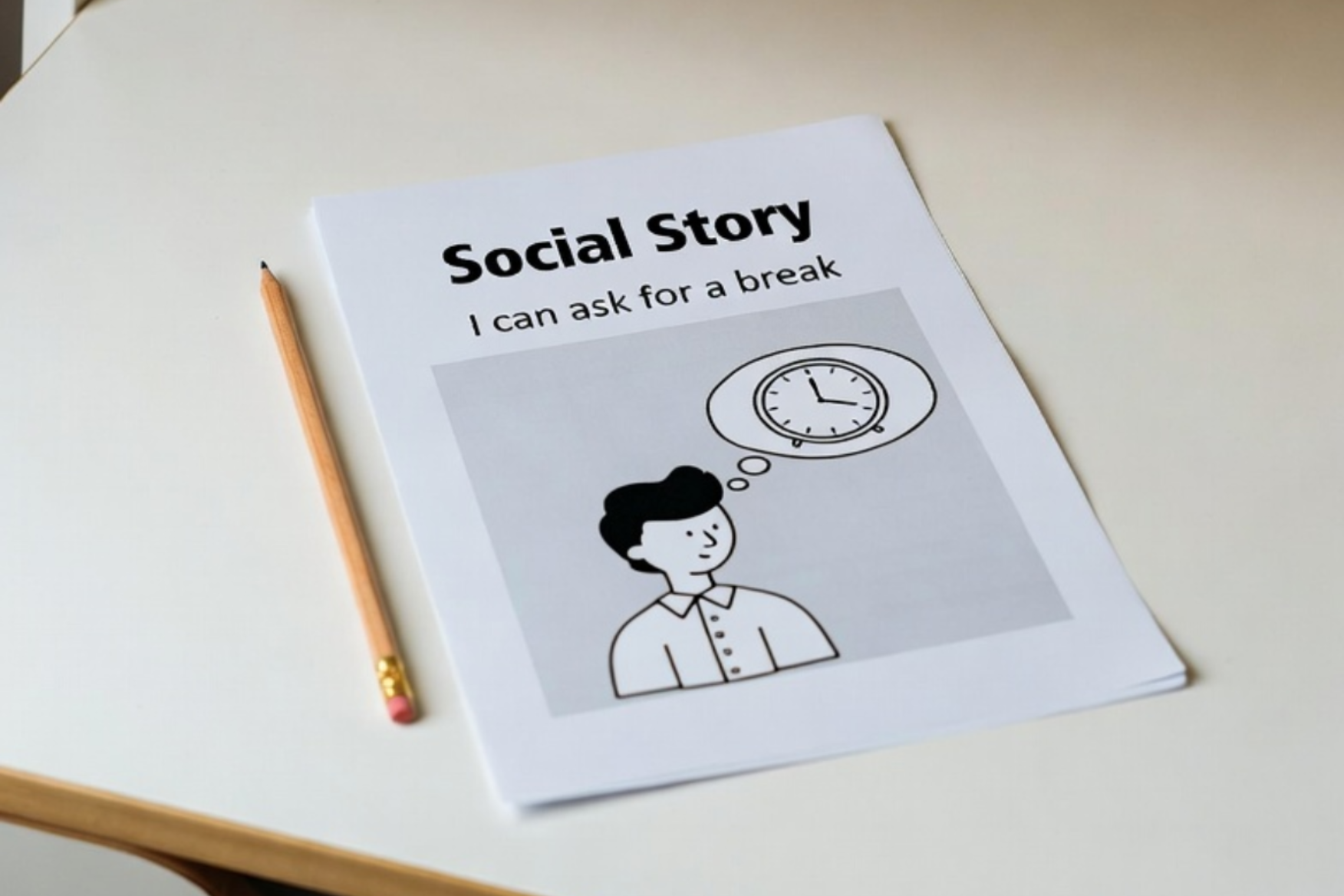
  • short social story about returning to the classroom 


Prevention does not eliminate everything. But it reduces frequency and intensity.


2. During the crisis: safety and regulation 

  • Priority objectives:
  • Ensure safety 
  • Reduce stimuli 
  • Maintain a calm tone 


  • Avoid:
  • public reprimands 
  • long explanations 
  • immediate confrontation 


In the acute phase, the brain is in defensive mode. The ability to reason is reduced.


Concrete interventions:

  • lower your voice 
  • reduce the audience around 
  • offer a quiet space 


This is not “giving in”. It is facilitating regulation.


3. After the crisis: analysis and repair 

This phase is often skipped. Yet it is central.

Useful questions:

  • What happened before? 
  • Which need was not met? 
  • Was the context appropriate? 


With the student, once calm:

  • reconstruct the event 
  • name the emotions 
  • identify alternatives 


Here a social story can become a tool for preventive reflection on future situations.


Common Mistakes

  • Interpreting the crisis as intentional challenge 
  • Focusing only on punishment 
  • Not modifying the context 


The crisis is a signal. Not just a problem.


Change of Perspective 

Don’t just ask yourself: “How can I stop this behaviour?”. But also: “What is it communicating?”

This shifts the focus from symptom management to understanding the need.


Conclusion 

Managing a behavioural crisis means:

  • preparing beforehand 
  • containing during 
  • reflecting afterwards 


There are no perfect solutions. There is conscious practice that improves over time.


In the Guide and Operational Strategies section you will find other practical tools for dealing with complex situations at school. 

You can also subscribe to the EduStories newsletter to receive in-depth insights and resources.


Share this article

Read other posts

EduStories — educational content on autism and neurodiversity
April 15, 2026
What are Social Stories, how do they work for autism, and when should you use them? A complete guide with practical examples, updated research, and advice for parents and teachers.
Real School Inclusion: What It Really Means and Why It's Not Enough “Staying in the Classroom”
March 2, 2026
What does school inclusion really mean? Discover the difference between integration and inclusion, with concrete examples and strategies for a truly accessible school.
Special Educational Needs: What It Really Means and How to Avoid Superficial Use
March 2, 2026
What does special educational needs (SEN) really mean? A clear guide to avoiding superficial labels and designing truly inclusive interventions.
Educational Accessibility: How to Design Inclusive Lessons from the Start
March 2, 2026
Learn how to design inclusive and accessible lessons from the start, with concrete examples for primary and secondary school.
How to Organize the Creation of Social Stories at School (Without Adding Extra Workload)
March 2, 2026
Learn how to organize the creation of social stories at school in a sustainable way, with practical strategies for teachers and educators.
AI and social stories: how to use it ethically and consciously in educational practice
February 23, 2026
Learn how to use AI in creating social stories ethically, consciously, and professionally. A practical guide for educators and therapists.
Digital tools for creating social stories: advantages, limitations, and selection criteria
February 16, 2026
What digital tools should you choose to create effective social stories? Practical analysis of advantages, limitations, and criteria for educators and therapists.
Personalizing Social Stories with AI – real opportunities and concrete limitations
February 9, 2026
Is personalizing social stories with AI really effective? Concrete analysis of opportunities, limitations, and best practices for educators.
Social Stories for Teens – Adapting Language, Autonomy and Personalization
February 2, 2026
Learn how to adapt Social Stories for teens with autism using respectful language, autonomy-focused strategies, and personalized narratives that support emotional regulation and social understanding.
Common Mistakes in Social Stories – How to Avoid Them for Effective Autism Support
January 26, 2026
Explore the most frequent mistakes in writing Social Stories and learn how to avoid them for truly effective and personalized outcomes. Practical tips for educators, parents, and therapists.
Show More