
Special Educational Needs: What It Really Means and How to Avoid Superficial Use

From the risk of labeling to conscious design

The term "special educational needs" is now widespread, but often used in a generic way. This article clarifies what SEN (Special Educational Needs) truly means, the risks involved in a superficial use of the label, and how to transform the category into a tool for concrete and personalized educational design.

When the label simplifies too much

"They are an SEN."


This phrase can mean many things. Sometimes too many.


It can indicate:

  • learning difficulties
  • language disorders
  • situations of socio-cultural disadvantage
  • emotional fragility


The risk? That it becomes a generic category that does not truly guide the intervention.


What special educational needs really means

The concept was created to move beyond a purely clinical view and it is about the need for personalized educational support.


A special educational need exists when:

  • the standard environment is not sufficient
  • additional mediation is needed
  • flexible design is necessary


It is a temporary and functional key for interpretation.


Concrete examples


1. Student with reading difficulties

Simply writing "SEN" in the records is not enough.


One must ask:

  • Which texts are accessible?
  • Is text-to-speech needed?
  • Is it helpful to pre-teach vocabulary?


2. Girl with high performance anxiety

It is not just an emotional matter.


Possible interventions:

  • previewing the assessment format
  • reducing unpredictability
  • providing structured oral exams


3. Newly arrived student with L2 Italian

They are not "struggling."

They are in a phase of language learning.


Strategies:

  • visual supports
  • pre-taught vocabulary
  • peer tutoring


SEN is not the finish line. It is the starting point for design.


Shift in perspective: from "who they are" to "what is needed"

The most common mistake is confusing the person with the need. It is not: "They are an SEN." It is: **"At this moment, they need..."**

This shifts the responsibility toward educational action.


Technology as support for personalization


Digital tools can help to:

  • adapt texts
  • create simplified materials
  • generate conceptual maps


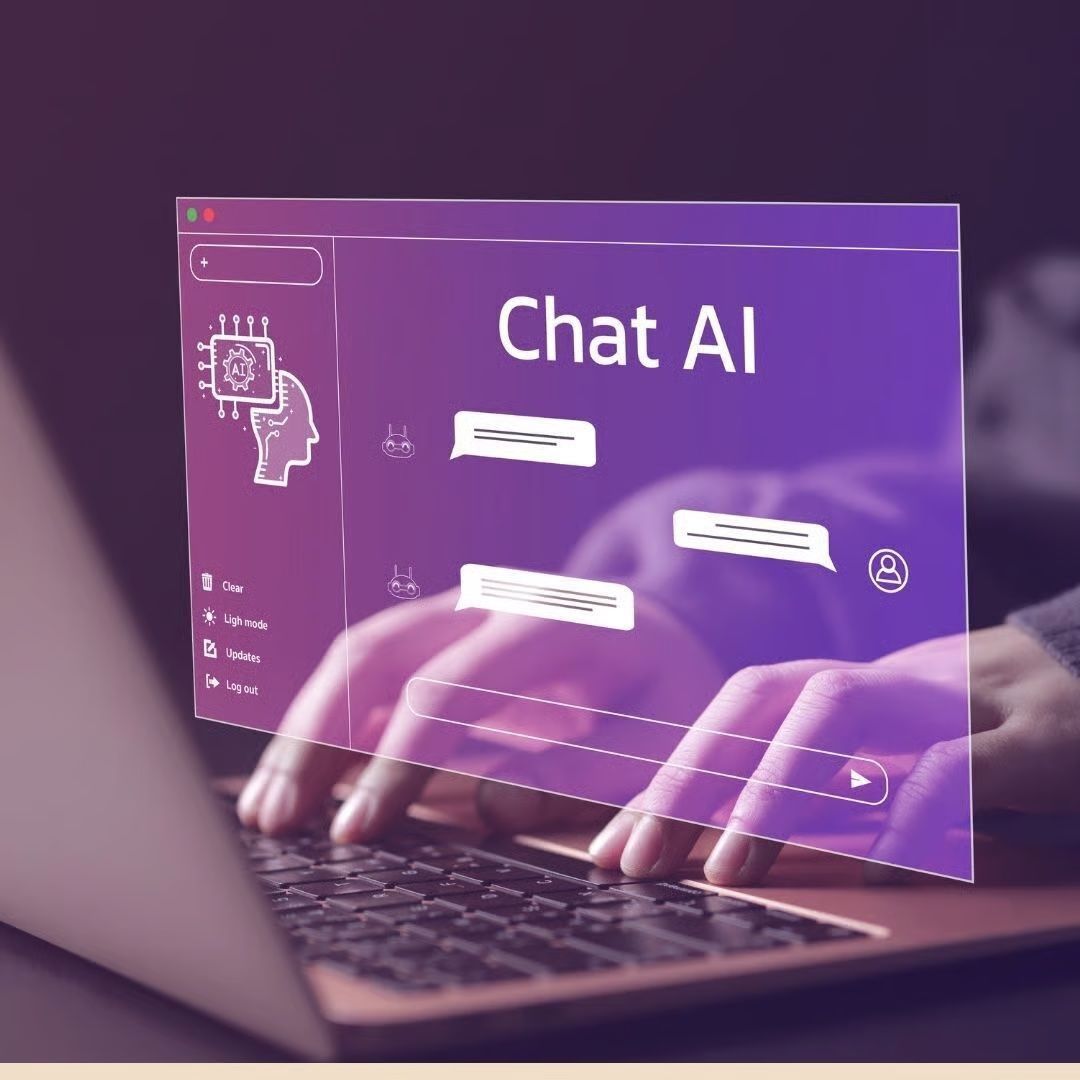
AI can accelerate the production of personalized materials. But it cannot decide which needs are priorities. That is a professional choice.


Conclusion

Speaking about special educational needs only makes sense if it leads to concrete design.  Otherwise, it remains an empty label. The goal is make learning accessible.


Explore more topics in our blog.


Share this article

Read other posts

EduStories — educational content on autism and neurodiversity
April 15, 2026
What are Social Stories, how do they work for autism, and when should you use them? A complete guide with practical examples, updated research, and advice for parents and teachers.
Real School Inclusion: What It Really Means and Why It's Not Enough “Staying in the Classroom”
March 2, 2026
What does school inclusion really mean? Discover the difference between integration and inclusion, with concrete examples and strategies for a truly accessible school.
Educational Accessibility: How to Design Inclusive Lessons from the Start
March 2, 2026
Learn how to design inclusive and accessible lessons from the start, with concrete examples for primary and secondary school.
How to Organize the Creation of Social Stories at School (Without Adding Extra Workload)
March 2, 2026
Learn how to organize the creation of social stories at school in a sustainable way, with practical strategies for teachers and educators.
Managing a Behavioural Challenge at School: Operational Strategies Before, During, and After
March 2, 2026
A practical guide to managing a behavioral crisis at school with preventive strategies and concrete interventions, respecting the student and the context.
AI and social stories: how to use it ethically and consciously in educational practice
February 23, 2026
Learn how to use AI in creating social stories ethically, consciously, and professionally. A practical guide for educators and therapists.
Digital tools for creating social stories: advantages, limitations, and selection criteria
February 16, 2026
What digital tools should you choose to create effective social stories? Practical analysis of advantages, limitations, and criteria for educators and therapists.
Personalizing Social Stories with AI – real opportunities and concrete limitations
February 9, 2026
Is personalizing social stories with AI really effective? Concrete analysis of opportunities, limitations, and best practices for educators.
Social Stories for Teens – Adapting Language, Autonomy and Personalization
February 2, 2026
Learn how to adapt Social Stories for teens with autism using respectful language, autonomy-focused strategies, and personalized narratives that support emotional regulation and social understanding.
Common Mistakes in Social Stories – How to Avoid Them for Effective Autism Support
January 26, 2026
Explore the most frequent mistakes in writing Social Stories and learn how to avoid them for truly effective and personalized outcomes. Practical tips for educators, parents, and therapists.
Show More